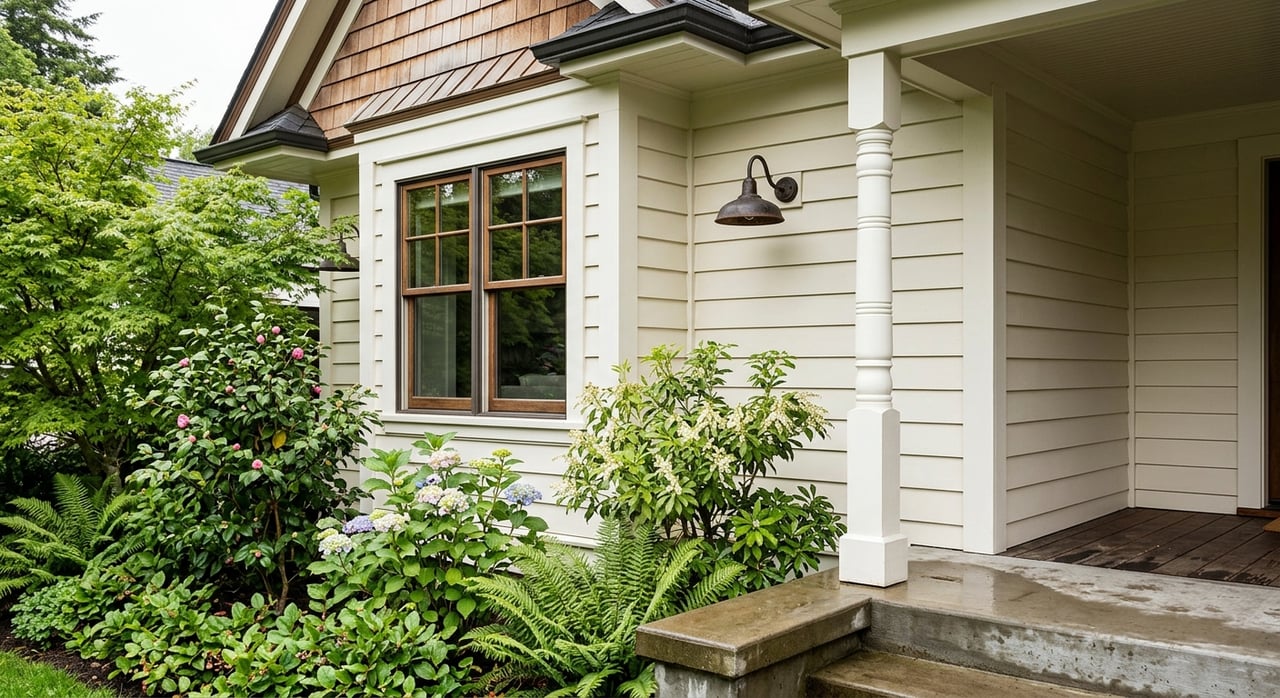
Thinking about buying a historic home in Snohomish? It is easy to fall in love with the charm first, from wraparound porches to detailed wood trim and streets lined with mature trees. But before you make an offer, it helps to understand how these homes differ from newer construction, what repairs may matter most, and when city review may come into play. If you want the character of an older home without surprises, this guide will help you ask smarter questions and plan with confidence. Let’s dive in.
Snohomish historic homes stand out
Snohomish’s historic housing stock is centered in a 26-block Historic District along the Snohomish River. The city describes the area as a mix of commercial and residential uses, with historic residential areas generally north of the commercial core and a mixed-use Maple/Pine area to the east.
Many of the homes in this district date from the 1860s onward, with the strongest concentration built before 1920. According to the city, common architectural styles include Craftsman Bungalow, Queen Anne Victorian, Shingle, Beaux Arts, Gothic Revival, Italianate, Cottage, Colonial Revival, and Stick/Eastlake.
Historic character affects value
When you buy a historic home in Snohomish, you are often buying more than square footage. You are also buying original materials, architectural details, and a specific streetscape that gives the area its identity.
The city notes that wood is the predominant material in many of these homes, though brick, stone, and stucco also appear. Common historic features include steep roofs, substantial eaves, covered porches, vertically oriented windows, wide trim, and picket fences, all of which help define the home’s visual appeal and renovation needs.
The setting matters too. The city highlights mature street trees, sidewalks, alleys, uniform setbacks, rear-alley garage access, and generous spacing between houses as important parts of the district’s character. For you as a buyer, that means the lot layout and neighborhood context can be just as important as the house itself.
Design review can affect plans
One of the biggest things to understand before buying is whether the property sits inside the Historic District overlay. In Snohomish, development within the Historic District must comply with both the Historic District Design Standards and the underlying land use code.
The city says projects in the Historic District are reviewed by the Design Review Board. While there is no additional fee for design review, projects usually require more submittal materials, which can affect your timeline and planning.
Changes that may trigger review
According to Snohomish’s Historic District Design Standards, exterior modifications that require a building permit are subject to design review. Some actions that do not require a permit can also trigger review, including:
- New structures
- Signs
- Fences
- Street tree removal
- Mobile vendor structures
- Demolitions
This is important if you are thinking ahead to a major remodel, detached structure, or exterior redesign.
What usually does not trigger review
Not every improvement becomes a major approval process. The city says routine maintenance, like-for-like replacement, painting, and changes not visible from outside the structure are generally exempt.
The standards also pre-approve some common items. For example, architectural composition roofing is accepted as an alternative to cedar roofing, and new residential windows may be acceptable if they do not change the opening size.
Repair usually comes before replacement
If you love historic homes, this principle matters. Snohomish’s standards and code emphasize repair over replacement and compatibility over imitation, meaning new work should fit the building’s massing, scale, size, and architectural features while still being distinguishable from the historic structure.
That approach can shape everything from window choices to siding decisions. It can also affect your budget, especially if you were initially assuming that a full exterior replacement would be faster or cheaper than targeted repairs.
The city also reviews demolition carefully. Under Snohomish code, if preservation appears feasible, demolition can be delayed while alternatives are explored.
Moisture is a major inspection issue
Snohomish gets a lot of rain, so moisture management should be high on your list during due diligence. The city’s stormwater guidance and National Park Service preservation recommendations both point to the same practical concern: keeping water away from the house is critical.
That starts with a weather-tight roof, sound flashing, working gutters and downspouts, and vegetation kept away from siding and foundations. The National Park Service also advises against waterproof coatings on above-grade masonry because they can trap moisture instead of solving the underlying problem.
Areas to inspect closely
When you tour or inspect a historic home, pay close attention to signs of past or current water intrusion. A beautiful porch or original trim can distract from less visible issues, so it helps to stay focused on the systems that protect the home over time.
Ask your inspector to look carefully at:
- Roof condition
- Flashing details
- Gutters and downspouts
- Siding condition
- Foundation areas
- Attic moisture
- Crawlspace moisture
- Past evidence of leaks or repairs
If the seller has records for prior roof, gutter, flashing, siding, or foundation work, those documents can be very helpful.
Windows and siding deserve extra attention
Older windows and siding often carry a lot of the home’s original character. According to the National Park Service guidance on historic windows, repair should be considered first when possible, with full replacement typically reserved for cases where deterioration is too severe.
That matters because window decisions can affect both cost and historic appearance. In Snohomish, standards also indicate that like-for-like siding replacement generally does not require design review, which can make some maintenance projects more straightforward than buyers expect.
If preserving original details matters to you, ask which materials are still original and which have already been replaced. That can help you understand both future maintenance needs and how much historic fabric remains.
Older systems can create costly surprises
Charming finishes do not always mean the underlying systems are in good shape. The National Park Service notes that outdated or faulty wiring and unsafe use of extension cords are major fire concerns in historic structures, while leaking plumbing and mechanical equipment are common internal sources of moisture damage.
Before you move forward, your inspection should go beyond cosmetic appeal. You will want a clear picture of the home’s electrical safety, plumbing condition, heating and cooling equipment, and any signs of hidden moisture problems.
Smart system questions to ask
Here are a few practical questions that can help you assess near-term costs:
- Are the electrical systems modern enough for current household needs?
- Have plumbing leaks been repaired, and are there signs of past damage?
- How old are the heating and cooling systems?
- Is there moisture in the attic, basement, or crawlspace?
- Are there any known fire or safety concerns tied to older systems?
These answers can make a big difference in your renovation budget after closing.
Tax credits are not automatic
Many buyers assume a historic home automatically comes with financial incentives. In reality, the rules are narrower than many people expect.
According to the National Park Service eligibility requirements, the federal historic rehabilitation tax credit applies only to income-producing properties. Owner-occupied residential homes do not qualify.
Washington may offer another path in some cases. The Department of Archaeology & Historic Preservation explains that the state’s special valuation program may be available for eligible historic properties after substantial rehabilitation, but qualification depends on local ordinance, property type, project scope, and approval.
What buyers should know about special valuation
DAHP says the rehabilitation generally must:
- Be substantial
- Equal or exceed 25% of the structure’s assessed value before rehabilitation
- Be completed within two years before application
- Be approved by the local review board
Owners also sign a ten-year agreement to maintain the property and seek approval for later changes. Snohomish’s Design Review Board also reviews matters involving special tax valuation.
Build a realistic historic-home budget
A historic-home budget should include both visible work and hidden systems work. Cosmetic updates may be the part you are most excited about, but roof repairs, electrical updates, plumbing improvements, and moisture control often drive the bigger decisions.
The Washington DAHP encourages early consultation, and its tax credit and preservation guidance supports discussing your project before finalizing the scope. For buyers, that is a strong reminder to get contractor estimates early if you already know major exterior work or system upgrades may be needed.
A practical pre-purchase budget often includes estimates for:
- Roof work
- Window repair or replacement
- Electrical updates
- Plumbing repairs
- Moisture control improvements
- Potential design-review-related exterior work
Questions to ask before you buy
If you are serious about a historic home in Snohomish, these are some of the most useful questions to raise before closing:
- Is the property inside the Historic District overlay?
- Is it considered a contributing property for any historic designation or incentive program?
- Which original materials are still in place?
- What has already been replaced or updated?
- Has the home had repairs related to roof, gutters, flashing, siding, or water intrusion?
- What exterior work would require design review?
- What maintenance would qualify as routine or like-for-like replacement?
- If substantial rehabilitation is likely, should you talk with the city or DAHP before closing?
The goal is not to avoid historic homes. It is to go in with clear eyes, a realistic budget, and the right local guidance.
Buying a historic home in Snohomish can be incredibly rewarding when you understand both the charm and the responsibility that come with it. If you want help evaluating neighborhood fit, planning your purchase strategy, or understanding what to ask before you write an offer, connect with Jovana Rodriguez for thoughtful, local guidance every step of the way.
FAQs
What makes a home historic in Snohomish?
- Snohomish’s historic housing stock is concentrated in a 26-block Historic District, where many homes date from the 1860s onward and often reflect architectural styles common before 1920.
Does every exterior project on a Snohomish historic home need design review?
- No. Exterior modifications that require a building permit are generally reviewed, and some non-permit items are too, but routine maintenance, painting, like-for-like replacement, and changes not visible from outside are usually exempt.
What inspection issues matter most for historic homes in Snohomish?
- Moisture management, roof and flashing condition, gutters, siding, foundations, electrical safety, plumbing leaks, HVAC equipment, and attic or crawlspace moisture are some of the most important items to inspect.
Can you get a federal tax credit for an owner-occupied historic home in Snohomish?
- No. The federal historic rehabilitation tax credit applies only to income-producing properties, not owner-occupied residential homes.
Should you replace old windows in a Snohomish historic home?
- Not always. National Park Service guidance recommends repairing historic windows first when possible, and replacement is typically more appropriate only when deterioration is too severe.
What should you budget for when buying a historic home in Snohomish?
- You should plan for both visible restoration and less visible systems work, including roof repairs, windows, electrical, plumbing, moisture control, and any exterior items that may involve design review.
