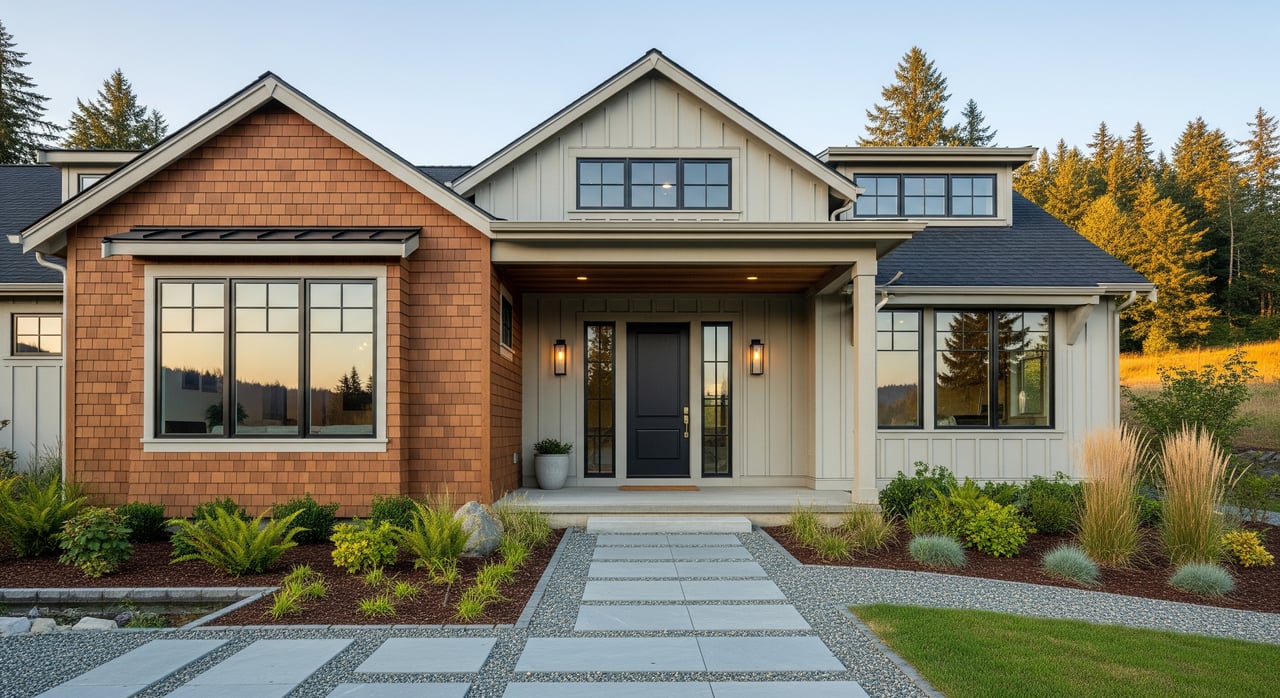
Think you need 20% down to buy a home in Marysville? Many first-time buyers are surprised to learn there are programs that can help with your down payment, closing costs, and loan terms. If you feel overwhelmed by acronyms, income limits, or where to start, you are not alone. In this guide, you will learn the key programs available in Marysville and Snohomish County, how they work, and simple next steps to move forward with confidence. Let’s dive in.
What “first-time buyer” means
For most programs, a first-time buyer is someone who has not owned a primary residence in the past 3 years. Some programs make exceptions for veterans or other life situations. Always confirm the exact definition for the program you want.
Spanish note: “Comprador por primera vez” normalmente significa que no has sido propietario de tu vivienda principal en los últimos 3 años. Verifica la definición específica del programa.
Main programs for Marysville buyers
Washington State Housing Finance Commission
The Washington State Housing Finance Commission (WSHFC) offers first-mortgage options and down payment assistance that are widely used across Snohomish County. These programs typically include income and purchase price limits, require a participating lender, and often require homebuyer education. Explore current programs, rates, and approved lenders on the Washington State Housing Finance Commission website. You can start at the WSHFC home page to find the most up-to-date program pages and lender lists: Washington State Housing Finance Commission.
Common features you may see when reviewing WSHFC options:
- First mortgages tailored to first-time and targeted buyers
- Down payment assistance that pairs with the WSHFC first mortgage
- Income and price limits that vary by county and household size
- Required homebuyer education before closing
Check current program names and limits directly on the WSHFC site, since they update frequently.
Federal loans that pair well
Several federal loan types allow for low or no down payment and can often be combined with state or local assistance:
- FHA loans: Low down payment and flexible credit guidelines. Learn more about FHA and homeownership resources on HUD.
- VA loans: No down payment for eligible service members, veterans, and some surviving spouses. See the VA home loan program for eligibility and benefits.
- USDA loans: Zero down for income-eligible buyers purchasing in designated rural areas. Use the USDA Rural Development site to check property eligibility maps and program details.
Each loan type has unique rules on how assistance can be used. Your lender will confirm what combinations are possible for your situation.
What assistance looks like
Down payment and closing cost help often comes in one of these forms:
- Deferred second loan: Zero interest or low interest, no monthly payment, repaid when you sell, refinance, or finish a set term.
- Low-interest second loan: Monthly payments may be required, often at a favorable rate.
- Forgivable assistance or grants: Funds that may be forgiven if you meet occupancy and time requirements. Availability can be limited.
Most programs create a subordinate lien on the property. Ask your lender to explain repayment terms and how assistance could affect your equity when you sell.
Eligibility basics
Programs use several common rules. Expect your lender or counselor to walk you through these early in the process:
- First-time buyer status: Usually no homeownership in the past 3 years, with some exceptions.
- Income and purchase price limits: Based on county and household size. Limits change each year. Check current tables on WSHFC.
- Property type and location: Primary residence only. Single-family homes, townhomes, and many condos are allowed if they meet program guidelines. USDA programs require qualifying property locations.
- Credit and debt-to-income: Minimum credit scores and standard underwriting apply. Assistance does not remove general mortgage requirements.
- Homebuyer education: Many programs require a course from a WSHFC-approved or HUD-approved provider. Find counselors using HUD’s locator: HUD housing counseling locator.
Local resources in Snohomish County
Local government sites often list housing resources, counseling partners, and updates on assistance:
- Snohomish County: Visit the county’s official site for housing and community development resources, program lists, and any county-administered funds: Snohomish County.
- City of Marysville: Check community development or housing pages for local initiatives and referrals: City of Marysville.
- WSHFC participating lenders and classes: Start at the WSHFC home page to find approved lenders and education providers serving Snohomish County.
Some counselors and lenders offer Spanish-language services. Ask about language support when you schedule appointments.
Step-by-step plan
Follow these steps to move from research to keys in hand:
- Confirm basic fit
- Review first-time buyer definition and your household income against program guidelines. Check current limits on WSHFC.
- Make sure your target property types and budget align with purchase price limits.
- Take homebuyer education early
- Complete a WSHFC-approved or HUD-approved class before you shop seriously. Use the HUD counseling locator to find agencies.
- Get pre-approved with a participating lender
- Ask specifically if the lender works with WSHFC and local assistance. Request program fact sheets and a total cost estimate.
- Ask about program combinations
- Discuss whether FHA, VA, or USDA loans could pair with down payment assistance based on your profile.
- Verify local funding
- Check Snohomish County and the City of Marysville for any current funds, waiting lists, or counseling partners.
- Prepare documents
- Gather ID, Social Security numbers, pay stubs, W-2s or tax returns, bank statements, landlord references, and any gift letters.
- Understand repayment terms
- Before you write an offer, ask your lender to explain how your assistance works, what triggers repayment, and how it affects your future equity.
Próximos pasos (en español)
- Verifica elegibilidad básica: ingresos, definición de “comprador por primera vez”, límites de precio en WSHFC.
- Toma la clase de “educación para compradores” lo antes posible. Encuentra consejeros en el localizador de HUD.
- Pide una preaprobación con un prestamista que participe en WSHFC y pregúntale sobre “asistencia para el pago inicial”.
- Revisa si tu préstamo FHA, VA o USDA puede combinarse con la asistencia.
- Reúne documentos y aclara los términos de pago o condonación de la ayuda.
Términos útiles: down payment assistance = “asistencia para el pago inicial,” mortgage = “hipoteca,” homebuyer education = “educación para compradores.”
Budget and timeline tips
A realistic timeline helps you avoid surprises:
- Education and counseling: Complete early, ideally before touring homes.
- Pre-approval: A few days to a couple of weeks, depending on your documents and credit.
- Assistance approval: Allow extra time for underwriting and any program-specific steps.
Plan your budget using conservative estimates. For neutral guidance on closing costs, monthly payments, and comparing loans, review resources from the Consumer Financial Protection Bureau.
What to gather now
Stay organized to speed things up:
- Photo ID and Social Security numbers for all borrowers
- Recent pay stubs and the last 2 years of W-2s or tax returns
- Bank and asset statements
- Documentation for any gift funds
- Landlord references or verification of rent, if requested
Keep digital copies in a secure folder. Ask your lender exactly how they want documents submitted.
Common pitfalls to avoid
- Waiting to take the class: Many programs require education. Do it early to avoid closing delays.
- Assuming you earn too much or too little: Limits vary by household size and change yearly. Check current numbers on WSHFC.
- Overlooking USDA or VA: If you qualify, these can reduce your out-of-pocket costs. See the USDA Rural Development and VA home loan pages.
- Not reading the fine print: Know whether assistance is deferred, forgivable, or repayable and what triggers repayment.
How I can help
Buying your first home is a big step, and you deserve a guide who listens, explains, and keeps things moving. I help you map out financing options, connect with WSHFC participating lenders and HUD-approved counselors, and create a clear plan for touring, offers, and closing in Marysville and greater Snohomish County. If you prefer to speak in Spanish, I am happy to support you en español.
Ready to explore homes and financing options with a calm, step-by-step approach? Reach out to Jovana Rodriguez to start your homebuying plan today.
FAQs
What does “first-time buyer” mean in Marysville programs?
- Most programs define it as not owning a primary residence in the last 3 years, with some exceptions that you should verify on the program site.
Can I combine down payment assistance with FHA, VA, or USDA loans?
- Often yes, but it depends on program and loan rules; confirm combinations with your lender and review guidance on HUD, VA, and USDA.
Do I have to pay back the assistance I receive?
- It depends on the program; some assistance is deferred or forgivable after certain conditions, while other options are repayable when you sell or refinance.
Where can I find approved homebuyer classes and counseling?
- Start with the HUD housing counseling locator and the WSHFC site for education providers and participating lenders.
Are there local resources specific to Marysville and Snohomish County?
- Yes; check the Snohomish County and City of Marysville sites for program updates, referrals, and community development resources.
How do I know if a property near Marysville qualifies for USDA?
- Use the eligibility tools on USDA Rural Development to check property location and your income against current criteria.
