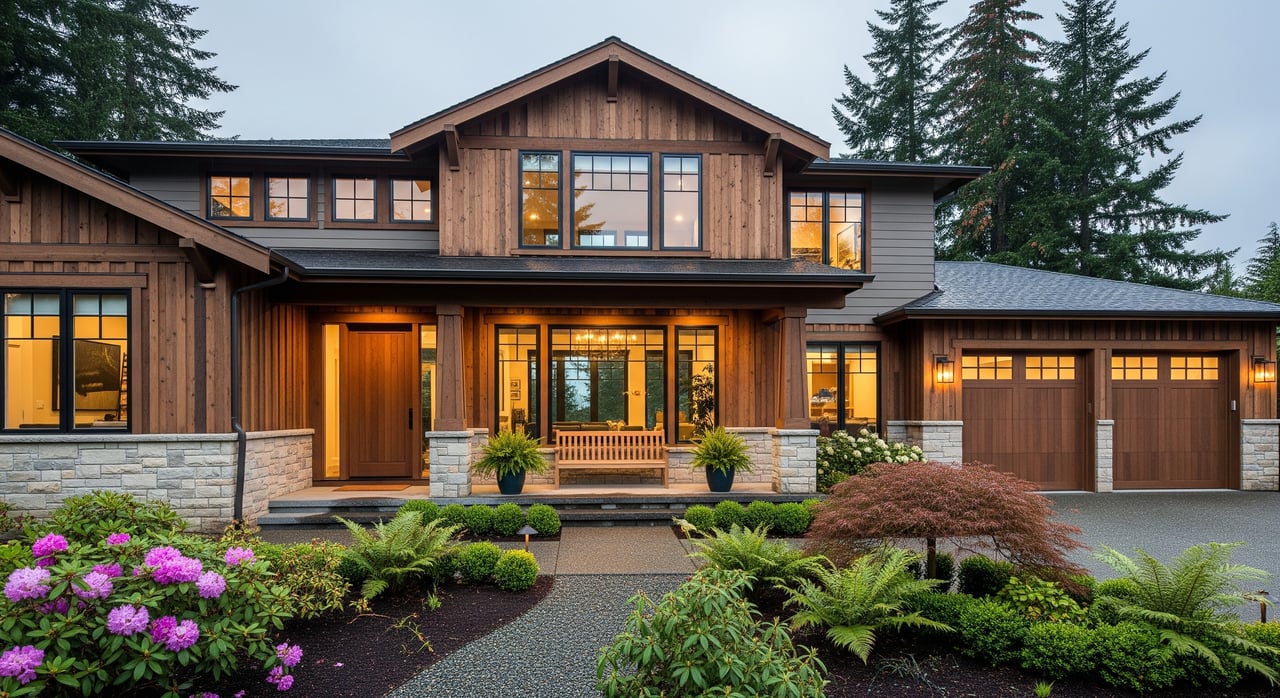
Is the appraisal the mystery step standing between you and closing on a Lynnwood home? You are not alone. Whether you are buying, selling, or refinancing, the appraisal can feel confusing and high stakes. In this guide, you will learn what an appraisal is, how the process works in Lynnwood, what local factors influence value, and how to prepare so you feel confident at every step. Let’s dive in.
What a home appraisal is
A home appraisal is a professional estimate of market value prepared by a state-licensed or certified appraiser as of a specific date. Lenders rely on it to help decide how much they can safely lend on a property. Appraisals are also used for refinancing, estates, and tax-related needs.
In a typical Lynnwood purchase or refinance, the lender orders the appraisal after your loan application or after an offer is accepted. For private needs, you can hire an appraiser directly, but in a mortgage transaction the lender selects the appraiser from an approved panel.
Types of appraisals you may see
Full interior appraisal
This is the most common for single-family purchases. The appraiser visits the home, measures, photographs, and evaluates condition and features inside and out. Most conventional and agency-backed loans in our area prefer or require this.
Exterior-only or drive-by
The appraiser views the exterior and relies on public records and MLS data for interior details. These are less common for purchases but may be used for some refinances.
Desktop or hybrid
These use public records, MLS data, and third-party property data without a traditional interior inspection. Availability depends on the loan program and lender policy.
Lynnwood appraisal timeline
- Order placed: usually right after mutual acceptance or loan application.
- Scheduling and inspection: often within a few days to a week, depending on appraiser availability and property access.
- Report delivery: commonly 3 to 10 business days after the inspection. Complex homes may take longer.
Timing can shift with appraiser workload in the Seattle metro area, property complexity, and market activity. Your lender’s updates are the best indicator for your specific file.
How appraisers determine value
Sales comparison approach
For most Lynnwood single-family homes, the primary method is the Sales Comparison Approach. The appraiser selects recent, nearby closed sales that are similar to the subject property and then makes objective adjustments for differences like square footage, bed/bath count, remodels, garage, lot size, view, and location. The adjusted sales indicate a value range for your home.
Cost and income approaches
The Cost Approach estimates what it would cost to rebuild the home today, minus depreciation, plus land value. It is more relevant for newer or unique properties. The Income Approach applies to rentals and multi-unit properties by converting expected income into value using market capitalization rates.
Data appraisers rely on
Appraisers draw from local MLS data for recent sales and pending listings, Snohomish County assessor records for property characteristics and tax details, and city or county permit records for documented improvements. The on-site inspection provides condition and feature details that public records may not capture. Market indicators like inventory and days on market inform time adjustments.
Choosing the right comps
Good comparables are nearby and recent. In a stable market, appraisers often focus on sales from the past 3 to 6 months. If the market is moving quickly, they may apply time adjustments. In Lynnwood, micro-markets near Lynnwood City Center and Alderwood Mall can behave differently than quieter residential streets, so location adjustments may apply.
Adjusting for differences
Appraisers make line-item adjustments for measurable differences. A home with a remodeled kitchen typically warrants an upward adjustment compared to a similar home without updates. A larger lot or finished basement may also increase value. These adjustments aim to compare apples to apples so the final value reflects the subject home’s true market position.
Lynnwood factors that affect value
Location and access
Proximity to major highways like I-5 and I-405 and access to the Lynnwood Link light rail extension can increase demand and price support for many buyers. Being close to Alderwood Mall and Lynnwood City Center amenities can also add appeal. Homes near busy roads or industrial areas may see downward adjustments for noise or traffic.
Neighborhood micro-markets
Lynnwood includes a mix of newer townhomes and condos around the City Center and Alderwood, plus older single-family neighborhoods to the north and east. Condo and townhouse values often diverge from single-family homes due to HOA rules, fees, and supply differences. Appraisers select comps within the same property type and similar submarket when possible.
Housing stock and condition
You will find older post-war homes alongside renovated properties and newer construction. Appraisers account for age, quality of updates, and deferred maintenance. Documented upgrades that align with buyer preferences, like modern kitchens and baths, can support higher values.
Permits and upgrades
Permitted improvements carry more weight because appraisers and lenders can verify them through city or county records. Unpermitted additions can lead to downward adjustments or additional lender scrutiny. Having permit history and contractor invoices ready is helpful.
Seasonality and projects
Spring and summer often see more listings in the Pacific Northwest, which can change the pool of comparables. Regional projects and transit-oriented development around Lynnwood City Center can shift demand and pricing patterns, so time adjustments and micro-location choices matter.
What buyers should expect
Appraisal contingency basics
Most buyers include an appraisal contingency. If the appraisal comes in below the purchase price, your options depend on your contract and lender approval. Common paths include negotiating a price reduction, bringing extra cash to bridge the gap, or canceling within the contingency timeline if allowed.
Do not rely on online estimates
Automated estimates do not account for interior condition, permitted upgrades, or micro-market nuances. An appraisal is based on verified data and professional judgment.
Help the appraiser, the right way
Through your agent, you can provide a concise packet: very local comps, a list of upgrades with dates and costs, and copies of permits. Keep it factual and easy to read. The appraiser decides what to use, but good documentation can improve clarity.
What sellers can do to prepare
Consider pricing tools carefully
A pre-listing appraisal can help set expectations, but many sellers start with a broker’s comparative market analysis. Remember that lender underwriters will not use a seller-ordered appraisal for the buyer’s loan. Your listing strategy should anticipate what appraisers will likely see in the data.
Improve condition and clarity
Small, high-impact fixes can help. Think touch-up paint, tidy landscaping, minor repairs, and decluttering. The goal is clean, safe, and well-maintained. Provide your agent with permits, receipts, and a one-page features list so the appraiser can verify upgrades.
Pre-appraisal checklist for Lynnwood homes
- Obtain and print permit records for recent upgrades.
- Prepare a one-page feature sheet with square footage, beds/baths, year of major systems, and recent renovations.
- List three very local comparable sales with address, sale date, and price.
- Clean and declutter the interior and complete or document major repairs.
- Improve curb appeal, trim vegetation, and ensure address numbers are visible.
- For condos or townhomes, provide HOA documents and recent HOA meeting minutes if available.
- Ask your agent to share a short market narrative about nearby developments and community amenities.
- Keep receipts and invoices for contractor work available for review.
If the appraisal comes in low
- Renegotiate the purchase price to the appraised value.
- Buyer adds cash to cover part or all of the gap.
- Request a reconsideration of value by submitting additional comps and documentation through the lender.
- Ask the lender if a second appraisal is allowed. There is no guarantee of a higher value and there may be a fee.
Special notes on condos and multi-unit
For condos and townhomes, project health matters. Appraisers and lenders review HOA reserves, special assessments, and legal or financial issues that can affect marketability and loan eligibility. Government-backed loans may have additional project requirements. For multi-unit and rental properties, expect added focus on income, expenses, and capitalization rates.
Appraisals vs AVMs and broker CMAs
Automated valuation models and broker CMAs can provide a quick range, but they do not replace a lender-ordered appraisal. AVMs often miss interior updates, unpermitted changes, and micro-location differences. A CMA reflects agent expertise and recent local sales, while an appraisal applies standardized methods and lender requirements. Use each tool for its purpose and set expectations accordingly.
Ready to talk values?
If you are buying, we can talk about appraisal timelines and how to prepare strong comps. If you are selling, we can position your home and documentation so the value story is clear and compelling. Reach out to schedule a friendly consultation with Jovana Rodriguez. Prefer Spanish? Hablamos español.
FAQs
Who pays for the appraisal in a Lynnwood purchase?
- The buyer usually pays the appraisal fee as part of loan closing costs, while sellers may order a separate pre-listing appraisal if they choose.
How is an appraisal different from a home inspection?
- An appraisal estimates market value for the lender, while an inspection evaluates condition and safety; they serve different purposes and produce separate reports.
How long is an appraisal valid for a loan?
- Many lenders treat an appraisal as current for about 120 days, though policies vary and some loans require re-certification if timelines extend.
Will the appraisal include photos and measurements?
- Yes, most appraisals contain interior and exterior photos, a sketch or diagram, room counts, and square footage estimates gathered during the inspection.
What can I do if the appraisal is low on my Lynnwood home?
- You can negotiate price, bring additional cash, request a reconsideration of value with stronger comps, or ask your lender if a second appraisal is permitted.
