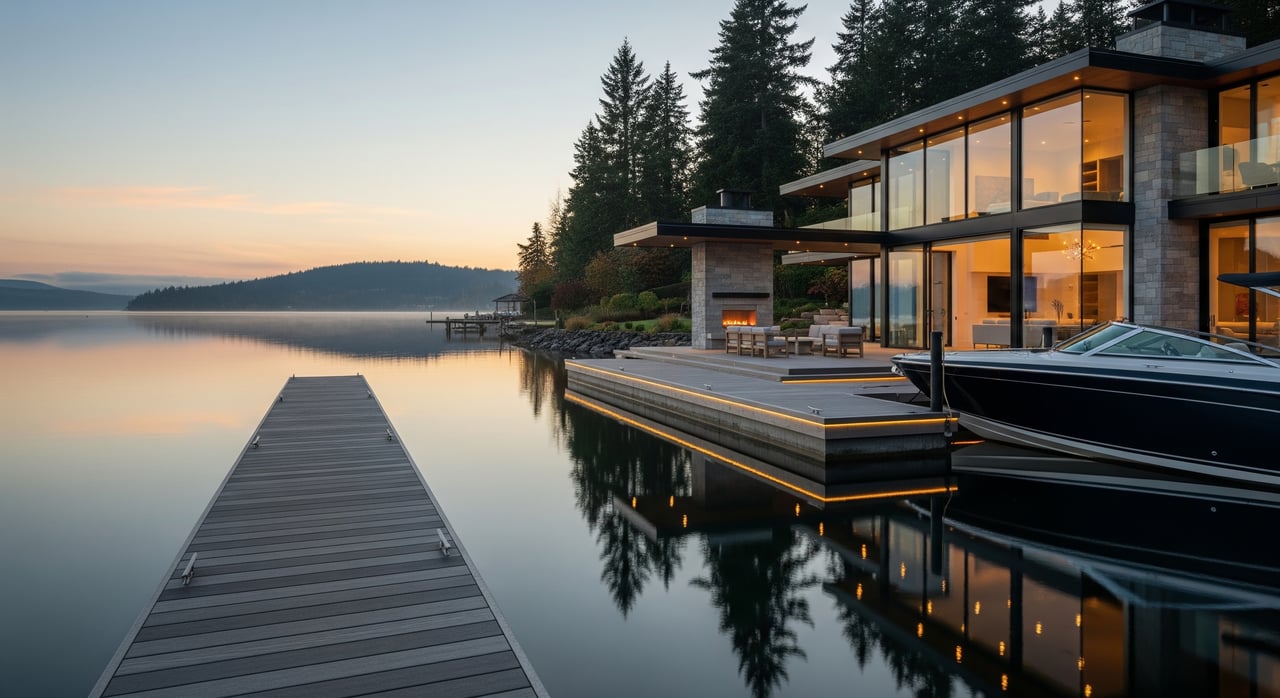
Imagine sipping your morning coffee on a quiet dock while the lake glows in the early light. Buying on Lake Stevens can give you that feeling every day, but waterfront homes also come with unique rules, inspections, and costs. If you know what to look for, you can enjoy the lifestyle without surprises. In this guide, you’ll learn the key steps, risks, and questions that help you buy confidently. Let’s dive in.
Why Lake Stevens stands out
Lake Stevens is a freshwater lake in Snohomish County with an active city and neighborhoods wrapped around the shoreline. You get boating, swimming, and paddle sports while staying connected to the Seattle–Bellevue–Everett job centers. Waterfront homes often carry a price premium and inventory is usually tighter than non-waterfront options. If commute time matters, check typical routes and time windows to Everett, Bellevue, and Seattle before you fall in love with a view.
Waterfront home types
True waterfront vs near-water
You’ll see two main options. True waterfront gives you private shoreline frontage, often with direct access to the water. Near-water homes sit a short walk or drive from public access, a community beach, or a shared dock. Near-water can be more affordable, but verify exactly what access you have in writing.
Docks and moorage
Some properties feature private docks, slips, lifts, or older boathouse structures. Focus on three things: the dock’s structural condition, whether it was permitted, and any limits on boat size or use. If rights are shared, make sure slip assignments and rules are recorded and clear.
Shoreline and slope
A natural shoreline can help with ecology but might limit access or require careful maintenance. Bulkheads and riprap can help manage erosion but often need repair or permits over time. Steeper lots can deliver big views, yet they can complicate parking, stairs, dock access, and any future improvements.
Utilities and access
Check whether the home is on city sewer or a septic system. If not on sewer, ask for septic permits, capacity, age, and maintenance records. Confirm if water is municipal or from a well, and verify stormwater handling. Also note driveway slope, road width, and guest parking, especially for homes on narrow private roads.
Permits, rights, and rules
Who regulates the shoreline
Rules depend on where the property sits. Parcels within the City of Lake Stevens follow city planning and shoreline rules. Properties in unincorporated areas follow Snohomish County Planning & Development Services. Washington’s Shoreline Management Act applies locally through each jurisdiction’s Shoreline Master Program, and certain in-water work may require state and federal approvals.
Riparian rights and OHWM basics
Waterfront owners have riparian rights for reasonable access and recreation, but those rights are shaped by state law and the ordinary high water mark (OHWM). Ownership often extends to the OHWM, while lands below it may be regulated or subject to public use. If boundaries or shared-use rights are unclear, bring in a surveyor and an attorney who understands riparian issues.
Dock, bulkhead, and vegetation work
Docks, shoreline stabilization, and vegetation removal are typically regulated. In many cases, you will work with the city or county for shoreline and building permits. Some projects may also require a Hydraulic Project Approval from Washington Department of Fish and Wildlife, and certain activities can involve federal oversight. Always verify what is allowed now and likely in the future before planning changes.
Environmental and safety checks
Flooding, lake levels, and erosion
Lake Stevens can see seasonal water-level changes during storms and runoff. Review flood maps, local floodplain information, and any high-water or flood history for the property. If a structure sits in a high-risk zone, lenders often require flood insurance. Bulkheads and seawalls can be costly to repair, so evaluate their condition and any prior permits.
Water quality and advisories
Freshwater lakes can experience seasonal algal blooms, including harmful algal blooms that can limit swimming, boating, or pet access. Check how often advisories occur and during which seasons. This helps you plan for realistic use during summer months.
Septic systems and wells
If the home uses septic, get a current inspection, verify maintenance records, and confirm the system’s capacity. Replacement or repair can be expensive and may need permits. If the home has a private well, test for water quality and flow, and confirm if municipal water is available in the area.
Cost considerations
Standard homeowners insurance usually does not include flood coverage. Ask for quotes for NFIP and private flood insurance if applicable. If there is a dock, boathouse, or bulkhead, check whether your policy can cover those structures and at what cost. Set aside budget for shoreline maintenance, and factor in any community or HOA assessments for shared systems or docks.
Lifestyle realities on the lake
Expect seasonal peaks in boat traffic and activity, especially on summer weekends and holidays. Some coves stay quieter, while busier areas can bring wakes and more sound. Review local rules on speed, no-wake zones, and noise or parking enforcement. If the property relies on a community dock or shared easement, confirm guest policies and how slip assignments work.
Smart buyer due diligence
Use this checklist to protect your investment:
- Title and recorded documents: look for easements, shared dock agreements, shoreline covenants.
- Survey: confirm property lines to the shoreline and the OHWM; get a professional shoreline survey if needed.
- Structural inspections: have a general home inspection plus a specialized inspection for docks, pilings, and bulkheads.
- Environmental checks: note any wetlands, critical areas, or habitat designations.
- Flood verification: confirm map zone and ask for any historical high-water records.
- Sewer or septic: verify sewer connection; if septic, get permits, capacity, and maintenance records.
- Well testing: if applicable, test water quality and yields.
- Permit history: collect permits for all shoreline work and additions; confirm they were closed.
- HOA or slip agreements: review covenants, fees, waitlists, and reserve status.
- Insurance quotes: home, flood, and coverage for docks or waterfront structures.
- Local rules: talk with city or county staff about current and likely future shoreline allowances.
Questions to ask before you offer
- Is the home on city sewer? If not, what’s the septic system’s age, capacity, and service history?
- Where is the OHWM and how was it determined? Are recent surveys available?
- Are dock and bulkhead structures permitted, and when were they last inspected or repaired?
- Are there recorded riparian rights, easements, or shared access agreements? Who manages shared costs?
- Has the property seen flooding, high-water intrusion, or erosion? Are there photos or records?
- How often do water-quality or algal advisories occur near this area of the lake?
- What limits apply to shoreline work, boat lifts, or new docks under current rules?
- Are any public projects planned nearby that could affect access, traffic, or shoreline conditions?
- What are typical insurance costs here, and will the lender require flood insurance?
- What are the neighborhood’s summer vs winter use patterns?
- Are there access challenges, such as steep driveways or limited guest parking?
- What utilities are available and connected, including broadband or gas?
- Are there any special assessments or pending levies tied to the parcel?
The team you need
- Local real estate agent experienced with shoreline homes.
- Licensed surveyor for boundaries and OHWM.
- Marine contractor or structural engineer for dock and bulkhead evaluations.
- Septic inspector and well contractor if applicable.
- Environmental or shoreline consultant for habitat and permit planning.
- Title or real estate attorney for easements and riparian rights.
- Insurance broker with waterfront experience.
Next steps
Waterfront living at Lake Stevens is rewarding, but success starts with due diligence and a team that understands the shoreline. If you want a calm process and clear answers at each step, partner with a local guide who can navigate permits, inspections, and negotiations. For bilingual, hands-on support in Snohomish County, reach out to Jovana Rodriguez to start your Lake Stevens search.
FAQs
What is the OHWM on Lake Stevens properties?
- The ordinary high water mark is the line that separates private upland from the regulated shoreline area; it influences where your property ends and where specific rules apply.
Is flood insurance required for Lake Stevens waterfront homes?
- Lenders often require flood insurance if a structure is in a mapped high-risk zone; even if not required, many buyers get quotes to understand risk and cost.
How can I verify a dock is legal and safe?
- Ask for permit records and inspection history, then have a marine contractor or engineer assess the dock’s structure, pilings, and compliance.
What should I know about septic on waterfront homes?
- Confirm permits, capacity, and maintenance records, and order a current inspection; repairs or replacements can be costly and may need additional approvals.
Do algal blooms affect Lake Stevens use in summer?
- Freshwater lakes can have seasonal harmful algal blooms that limit swimming and pet access; check the frequency and timing of advisories before you buy.
Can I add a bulkhead, boat lift, or expand a dock after closing?
- Possibly, but most shoreline changes require permits and may face limits under local and state rules; confirm feasibility with permitting staff before planning work.
How does commuting from Lake Stevens compare to other suburbs?
- Commute times vary by route and time of day for Everett, Bellevue, and Seattle; test your drive during your usual travel windows to set expectations.
