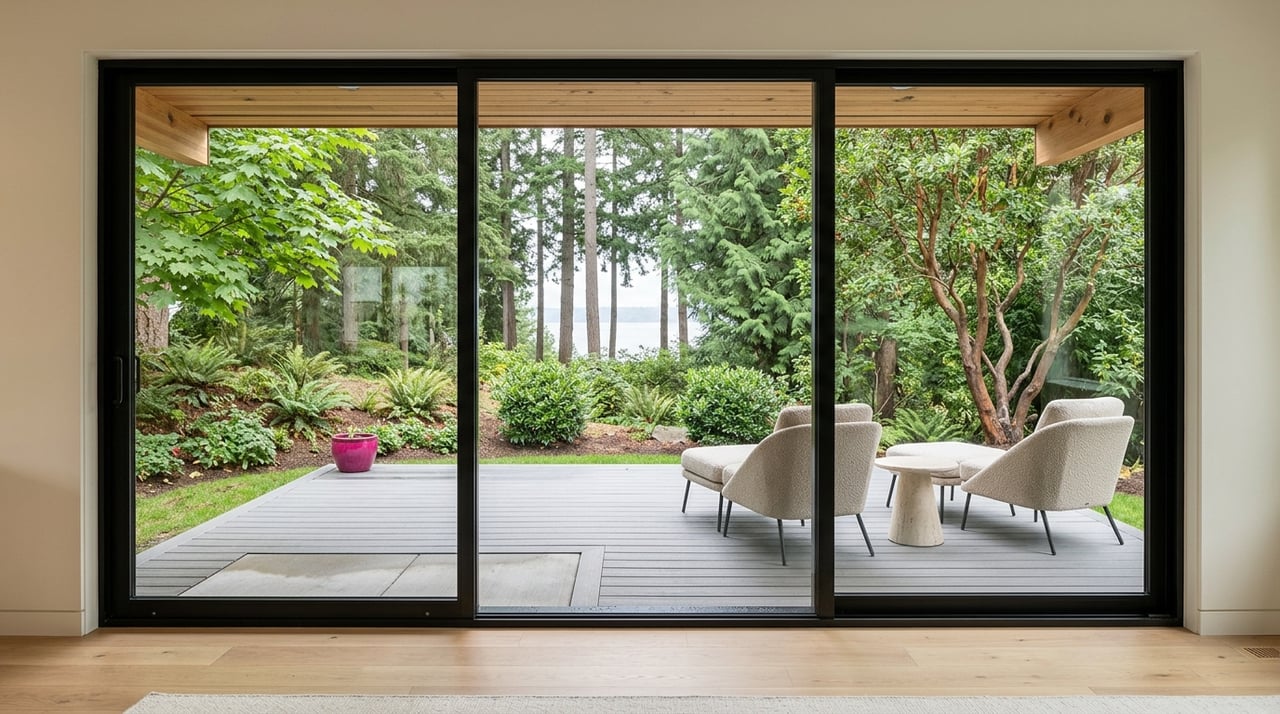
What does it really feel like to live near the water in Mukilteo? If you are drawn to shoreline views, beach access, and a commute that connects you to the rest of the region, this pocket of Snohomish County offers a lifestyle that is both scenic and practical. Here is a clear look at daily life near the waterfront in Mukilteo, from parks and ferries to housing patterns and everyday routines. Let’s dive in.
Waterfront Life in Mukilteo
Mukilteo is a waterfront community on Puget Sound in southern Snohomish County, about 25 miles north of Seattle, according to the City of Mukilteo. That setting shapes daily life in a very real way.
The shoreline experience often centers around the historic 1906 Mukilteo Light Station at Lighthouse Park. The city says the park includes an accessible beach, picnic area, and boat launch, which makes the waterfront more than just something you look at from a distance.
Water access is also not limited to one single spot. City shoreline planning identifies beach and backshore areas at Lighthouse Park, Edgewater Beach, and Mukilteo Community Beach Park, giving you more than one place to enjoy the shoreline depending on your routine and location.
Walkability and Daily Routines
Living near the water in Mukilteo can mean more than having a view. The city’s waterfront planning emphasizes pedestrian links between park and shoreline areas and a local business district, which suggests a lifestyle shaped by movement between the shore, parks, and nearby everyday destinations.
For you, that may look like morning walks near the water, quick trips to the park, or meeting friends close to the shoreline without needing to make it a full-day outing. That kind of layout can make the waterfront feel like part of your normal week, not just a weekend feature.
This is especially helpful if you value a neighborhood rhythm that feels connected and easy to navigate. Near-water living here blends natural scenery with useful access points and community spaces.
Commuting From the Waterfront
One of Mukilteo’s biggest advantages is that waterfront living still connects well to regional transit. The Mukilteo/Clinton ferry route is part of the current Washington State Ferries network, with access to route schedules, live ferry status, and alerts through the state ferry system.
If you commute locally or regionally, Community Transit says Route 117 connects directly to the Mukilteo Ferry Terminal. Sounder commuter rail also serves Mukilteo Station at 920 First St., about 800 feet from the terminal, with Community Transit and Sound Transit connections nearby.
According to WSDOT, Mukilteo Station also has a 63-space park-and-ride. For buyers and relocators, this mix of ferry, rail, and bus access can be a major part of daily convenience.
Parking Is Part of Waterfront Living
Living near the water in Mukilteo also means understanding how parking works. The city manages parking in this area rather than leaving it open-ended, which reflects the popularity of the shoreline.
The city offers a Resident Waterfront/Lighthouse Park Permit for free parking in Lighthouse Park and on Front Street. It also offers Residential Zone Permits for homes near restricted zones such as Old Town, Westridge, and Whidbey Lane.
In everyday terms, this can affect how you plan guest visits, beach trips, and even simple errands near the shoreline. If you are considering a home close to the waterfront, it is smart to factor parking rules into your decision alongside views and access.
Parks and Beach Access
For many people, daily life near the water is really about what you can do outside. Mukilteo maintains roughly 620 acres of parkland, and Lighthouse Park stands out as the main waterfront recreation hub.
The park has seasonal hours, a public boat launch on Elliott Point on Possession Bay, and six beach fire pits available on a first-come, first-served basis. The boat launch can accommodate three to four boats at a time, and floating docks are installed seasonally.
That means the shoreline supports a range of everyday and occasional activities, from beach walks and sunset visits to boating and small gatherings. If outdoor access matters to you, this part of Mukilteo offers a strong lifestyle draw.
Weekend Plans Close to Home
One of the best parts of living near the water is how easy it can be to stay local on weekends. Mukilteo’s waterfront amenities support both casual downtime and planned get-togethers.
The city offers reservable picnic shelters in season, and Lighthouse Park also has a beach volleyball court that can be rented by the hour. These details may seem small, but they help create a shoreline lifestyle that feels active and social.
For indoor gatherings, Rosehill Community Center adds another layer to local life. Its Point Elliott Room features floor-to-ceiling windows with water and island views, giving residents another community-oriented space connected to the waterfront setting.
Neighborhoods Near the Water
If you are exploring Mukilteo, it helps to understand how the city is laid out. The comprehensive plan identifies several neighborhoods, including Old Town, Goat Trail, Mid-Town, Harbour Pointe, the 525 Commercial Corridor, and Picnic Point.
Old Town is described as the city’s oldest neighborhood, with a mix of residential and commercial uses and a scenic waterfront location. Goat Trail sits above Old Town with views, while Mid-Town includes a variety of housing types.
Harbour Pointe is a master-planned area with single-family homes, townhouses, apartment complexes, a golf course, and a mix of parks, shopping centers, and restaurants. For you, this means waterfront-oriented living in Mukilteo can look different depending on whether you want to be closest to the shoreline, elevated above it, or in a more planned residential setting nearby.
What Homes Look Like in Mukilteo
A lot of buyers picture waterfront communities as mostly detached homes, but Mukilteo’s housing mix is broader than that. The city’s housing needs assessment says about 60% of existing housing is single-family, about 29% is multifamily buildings with five or more units, and the remaining 11% includes smaller multifamily homes, cottage homes, and townhouses.
The city’s housing action plan also notes that townhouses and cottages are allowed in some single-family, multifamily, and commercial zones. That can give you more flexibility if you want to live near Mukilteo’s waterfront but are looking at different price points, maintenance levels, or home sizes.
This variety can be especially helpful for first-time buyers, downsizers, relocators, or anyone trying to balance location with budget and lifestyle. In short, living near the water in Mukilteo is not one-size-fits-all.
What Daily Life Feels Like
Taken together, Mukilteo’s waterfront lifestyle blends shoreline access, commuter infrastructure, managed parking, and a mix of neighborhood types. It can feel peaceful and scenic, but it is also shaped by real-world factors like ferry schedules, visitor activity, and how close you want to be to parks or transit.
For some buyers, the biggest appeal is being able to walk near the water regularly. For others, it is the combination of Puget Sound scenery with practical access to ferries, commuter rail, and nearby amenities.
If you are thinking about buying in Mukilteo, it helps to look beyond the view and consider how you want your everyday life to function. The right fit often comes down to your preferred pace, commute needs, and the type of home that supports your routine.
Whether you are relocating, buying your first home, or narrowing down neighborhoods in Snohomish County, working with someone who understands Mukilteo block by block can make the process much easier. If you want help exploring Mukilteo homes and finding the right fit for your lifestyle, connect with Jovana Rodriguez.
FAQs
What is daily life near the water in Mukilteo like?
- Daily life near the water in Mukilteo often includes easy access to shoreline parks, beach areas, waterfront walking routes, and regional transit options like the ferry, bus, and Sounder rail.
What parks support waterfront living in Mukilteo?
- Lighthouse Park is the main waterfront recreation anchor, and city shoreline planning also identifies access at Edgewater Beach and Mukilteo Community Beach Park.
What transit options are available near the Mukilteo waterfront?
- The waterfront area is served by the Mukilteo/Clinton ferry route, Community Transit Route 117 to the ferry terminal, and Sounder commuter rail at Mukilteo Station.
What neighborhoods should buyers explore near the Mukilteo waterfront?
- Buyers often look at Old Town for its waterfront setting, Goat Trail for elevated views, Mid-Town for housing variety, and Harbour Pointe for a more master-planned neighborhood environment.
What types of homes are available in Mukilteo?
- Mukilteo includes single-family homes, multifamily housing, townhouses, cottage homes, and apartments, offering a wider range of options than many buyers expect in a waterfront community.
